
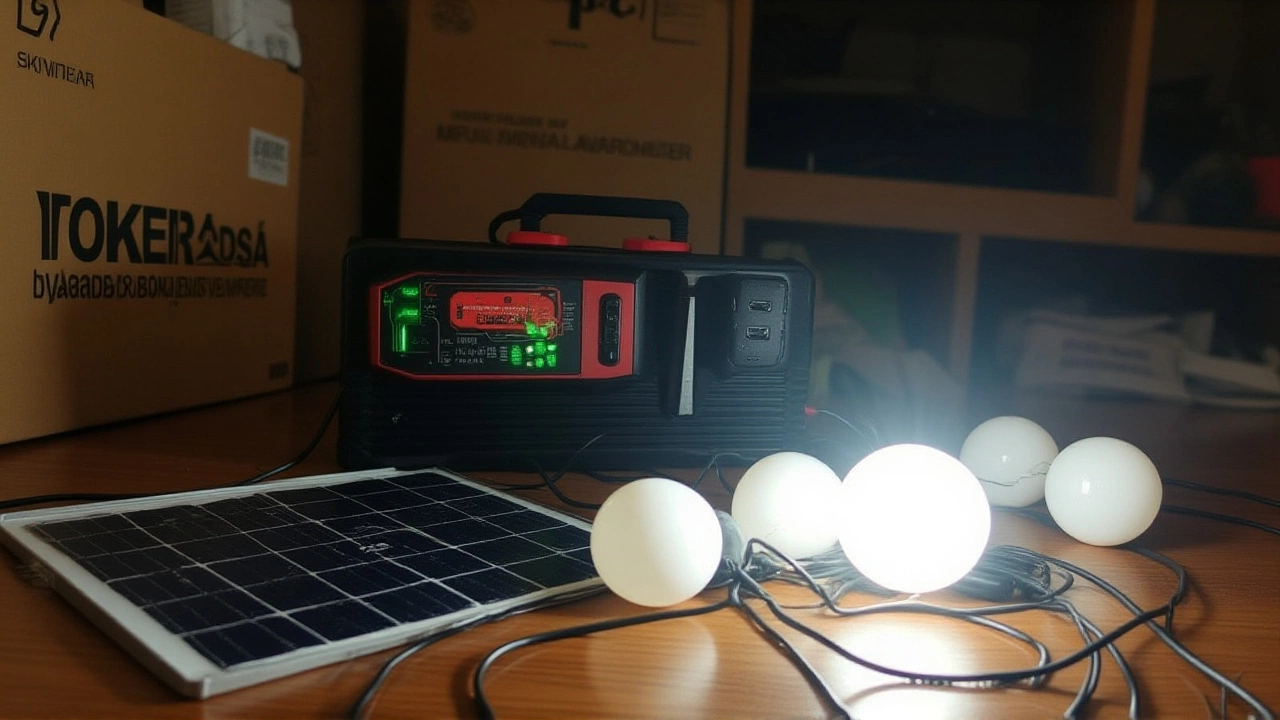
Getting free electricity at home just got significantly easier for millions of Indians. The government has streamlined the application process for the PM Surya Ghar: Muft Bijli Yojana, allowing users to register and provide consent directly through a mobile application. This digital shift aims to accelerate the installation of rooftop solar panels across the country, making the scheme more accessible than ever before.
The new SUVIDHA App is now the primary tool for applicants to verify their details and submit consent digitally. However, there is a strict deadline looming: all online consents must be registered by February 28, 2026. After this date, no new applications will be accepted through this specific portal window, creating a sense of urgency for eligible households.
A Digital Leap for Solar Adoption
Here’s the thing about government schemes—they often get bogged down in paperwork. Not anymore. With the introduction of the SUVIDHA App, the Ministry of New and Renewable Energy (MNRE) is removing friction from the adoption process. Users can now verify their consumer number, link their bank accounts for Direct Benefit Transfer (DBT), and give necessary permissions without visiting physical offices.
This move aligns with the broader vision set by Narendra Modi, Prime Minister of India, who launched the initiative in January 2024. The goal? To install solar panels on 1 crore (10 million) rooftops and provide up to 300 units of free electricity per month to each household. It’s a massive undertaking that requires seamless execution, and digitization is key to achieving that scale.
Understanding the Subsidy Structure
But wait—what exactly are you getting for your money? The financial incentives under PM Surya Ghar are substantial, designed to offset the initial cost of installation. Here is how the central government subsidy breaks down:
- 1 kW System: ₹30,000 subsidy
- 2 kW System: ₹60,000 subsidy
- 3 kW or more: Maximum ₹78,000 subsidy
For context, installing a rooftop solar system typically costs between ₹80,000 and ₹2,00,000, depending on capacity and configuration. Without subsidies, the cost per kilowatt ranges from ₹60,000 to ₹80,000. The government covers 40% to 60% of this cost, making it highly affordable. Additionally, banks offer loans up to ₹2,00,000 at an interest rate of approximately 7%, further reducing the upfront burden.
Some states, like Uttar Pradesh, go even further. Residents there can receive an additional state-level subsidy of around ₹30,000, bringing the total potential support to nearly ₹1,08,000 for larger systems. That’s a significant chunk of change saved right off the bat.
How to Apply Before the Deadline
If you’re thinking about going solar, time is ticking. Here’s what you need to do:
- Download the SUVIDHA App or visit the official PM Surya Ghar portal.
- Verify Your Details: Enter your state, DISCOM (electricity distribution company), consumer number, and mobile number.
- Submit Consent: Provide digital consent for the installation and subsidy transfer.
- Choose a Vendor: Select a registered vendor from the portal list for installation.
- Complete Installation: Once installed, net metering is arranged, and excess power is fed back into the grid.
It’s crucial to use only official channels. Beware of fake websites that pop up in search results. The helpdesk number 15555 is available for any queries or assistance needed during the process.
Why This Matters Beyond Savings
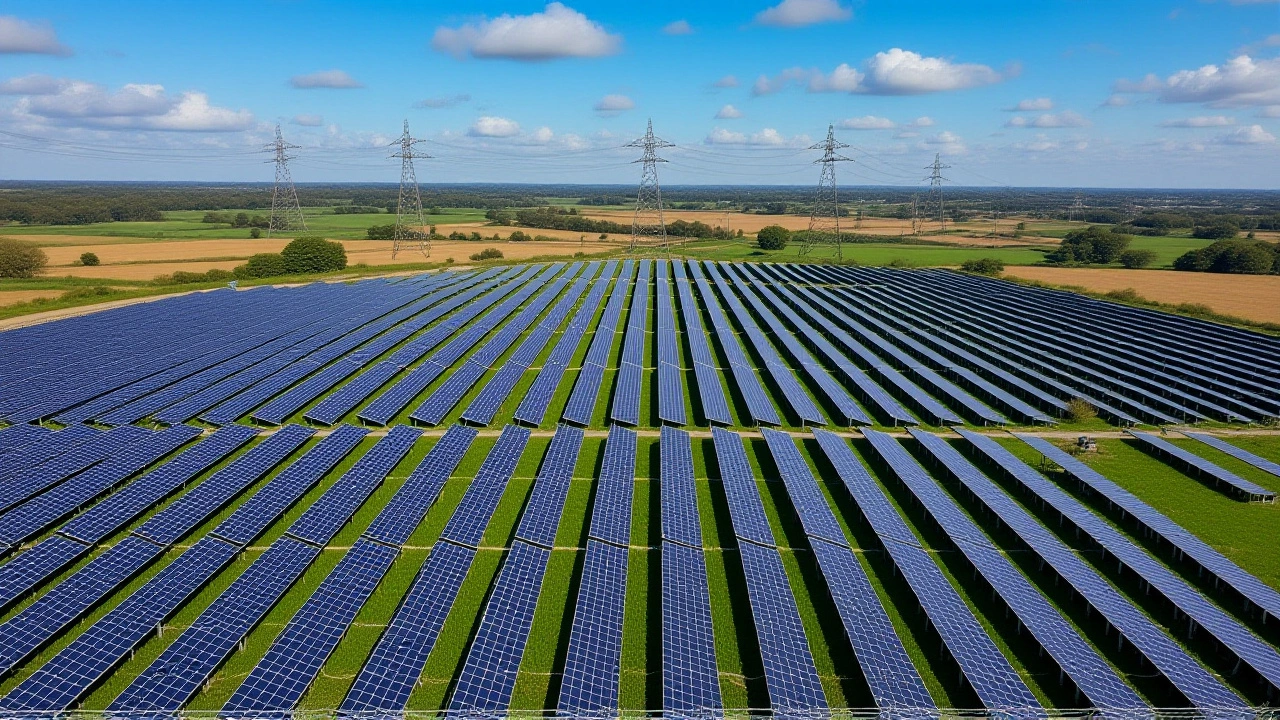
This isn’t just about cutting bills. It’s about energy independence and environmental impact. By generating clean power at home, households reduce their reliance on fossil fuels and lower carbon emissions. The government estimates an investment of over ₹75,000 crore in this scheme, aiming to transform India’s energy landscape.
Moreover, the push for rooftop solar supports national goals for renewable energy adoption. As more homes generate their own power, the strain on the national grid decreases, leading to a more resilient and sustainable energy infrastructure. It’s a win-win for both consumers and the country.
What Experts Are Saying
Industry players like UTL Solar and MYSUN have highlighted the scheme’s potential. They note that while the technology is mature, accessibility was the main barrier. Now, with simplified applications and clear subsidy structures, adoption rates are expected to surge. Analysts predict that if executed well, this could lead to widespread decentralized power generation across urban and semi-urban areas.
However, challenges remain. Ensuring timely disbursement of subsidies and coordinating with local DISCOMs for net metering approvals are critical steps that require efficient bureaucracy. Any delays here could dampen enthusiasm among early adopters.
Frequently Asked Questions
Who is eligible for the PM Surya Ghar Yojana?
Any Indian citizen who owns a roof and has an active electricity connection in their name is eligible. You must apply through the official portal or SUVIDHA App and select a registered vendor for installation. The scheme targets residential households aiming to reduce monthly electricity bills.
What happens after February 28, 2026?
The deadline of February 28, 2026, applies specifically to registering consent via the current online mechanism. While the scheme itself may continue, missing this window means you cannot use the streamlined digital consent process currently advertised. It is advisable to apply well before this date to avoid complications.
Is the subsidy guaranteed for everyone?
Yes, provided you meet the eligibility criteria and complete the installation through approved vendors. The subsidy is transferred directly to your bank account (DBT) after verification. For systems up to 3 kW, the maximum central subsidy is capped at ₹78,000, regardless of higher costs.
Can I sell excess electricity back to the grid?
Absolutely. Through net metering, any surplus power generated by your rooftop solar panels is fed back into the grid. Your electricity meter records this export, which offsets your future consumption, effectively giving you credit for the extra energy you produce.
Are there additional benefits in certain states?
Yes, several states offer supplementary subsidies on top of the central government’s aid. For instance, Uttar Pradesh provides an additional ₹30,000 for eligible installations. Check with your local state electricity board to see if extra financial support is available in your region.